
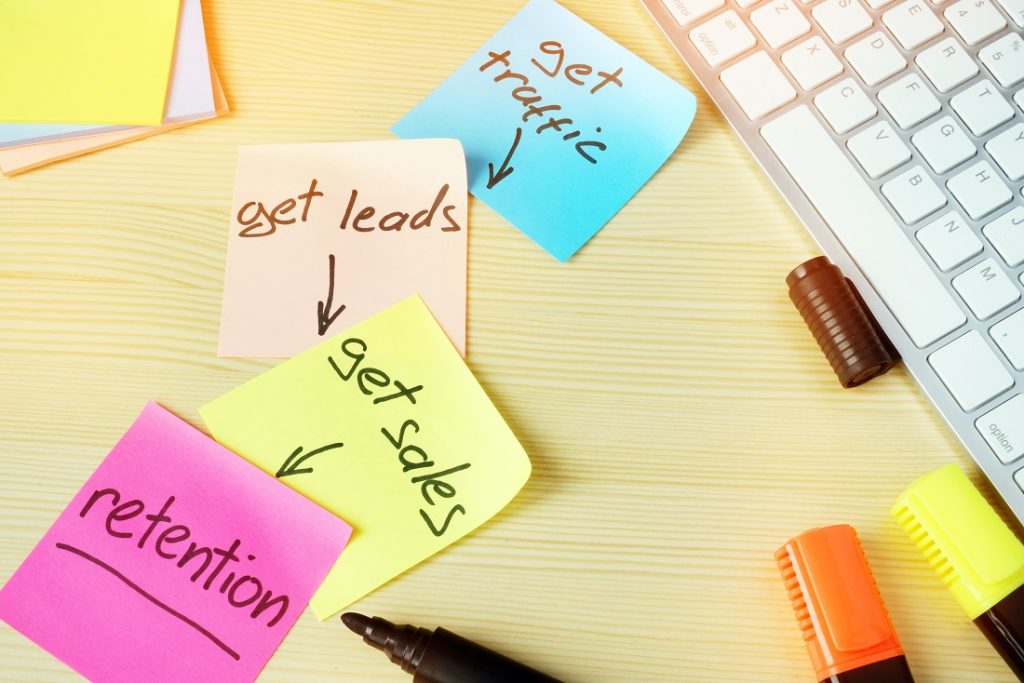
In today’s digital ecosystem, marketing isn’t a set of isolated campaigns. It’s a connected system — one that meets people where they are, anticipates what they need next, and thoughtfully guides them forward.
A full-funnel marketing strategy does exactly that. It captures attention, nurtures interest, drives conversion, and builds long-term loyalty — all with messaging tailored to each stage of the customer journey.
Instead of hoping a few posts or ads will “catch something,” a full-funnel approach brings structure and intention to how people experience your brand. The result is more consistent engagement, better alignment between marketing and sales, and growth that feels steady instead of sporadic.
Here’s a practical framework you can put to work.
What “Full Funnel” Really Means
Most businesses think in terms of tactics. A strong strategy focuses on people moving through stages:
- Awareness – They discover you.
- Consideration – They compare options and evaluate value.
- Conversion – They make a decision.
- Retention – They stay engaged after buying.
- Advocacy – They recommend you to others.
These aren’t marketing buzzwords. They’re the natural phases of trust and decision-making. When your marketing acknowledges where someone is in that journey, your messages feel relevant rather than random.
Stage 1 — Awareness: Get on the Radar
At the top of the funnel, people are not ready to buy. They’re exploring problems, asking questions, and trying to understand what’s possible.
Your goal here is simple:
Be visible in the right places with helpful content.
That means:
- Educational social posts that answer real questions
- Short videos that break down common challenges
- Search-friendly content that helps people find you while researching
- Clear messaging about who you serve and why
This stage isn’t about closing a sale — it’s about becoming familiar. And in business, familiar often feels safer than unknown.
Stage 2 — Consideration: Earn Attention With Substance
Once someone knows who you are, they begin weighing options. They’re comparing solutions, evaluating credibility, and deciding what makes sense.
Now your job is to:
Show why your approach matters.
Strong consideration content includes:
- Real stories of how you helped others
- Clear explanations of your process
- Answers to common objections
- Comparisons with typical alternatives
This stage builds confidence. Straightforward, honest information stands out because it respects the buyer’s intelligence.
Stage 3 — Conversion: Make the Choice Easy
Here, someone is close to deciding. They don’t need hype — they need clarity.
To support conversion:
- Make the next step obvious
- Remove confusion about pricing or process
- Offer simple ways to connect (forms, calls, booking links)
- Explain what happens after they take action
Often, people don’t move forward because something feels unclear, not because they aren’t interested. Reduce friction, and decisions become easier.
Stage 4 — Retention: Stay in Their World
The sale isn’t the finish line — it’s the beginning of a relationship.
After someone becomes a customer, they should:
- Feel supported
- Know how to get the most value from what they purchased
- See that you’re invested in their success
Helpful onboarding content, follow-up tips, and ongoing communication keep you relevant and strengthen loyalty.
Retention isn’t separate from marketing — it’s part of it.
Stage 5 — Advocacy: Let Happy Customers Speak
When people have a good experience, they naturally want to share it. Today, advocacy shows up through:
- Reviews
- Social media mentions
- Referrals
- Repeat business
A smart strategy encourages this by inviting feedback, highlighting customer stories, and making it easy to recommend you.
Word-of-mouth has always mattered. Digital platforms simply give it a bigger stage.
Why a Full-Funnel Strategy Matters
You may already be posting content or running campaigns. But without connection between those efforts, marketing can feel scattered.
A full-funnel strategy creates a system that:
- Meets your audience where they are
- Moves them forward without pressure
- Reinforces trust at every stage
- Connects marketing activity to real business growth
That’s not a trend. That’s how people make decisions.
When your messaging supports the entire journey, you’re not just producing content — you’re guiding people from curiosity to confidence, and from customers to advocates.
Where Strategy Turns Into Growth
A full-funnel strategy isn’t about doing more marketing. It’s about doing marketing with direction.
When your efforts support awareness, consideration, conversion, retention, and advocacy in a connected way, your message stops feeling scattered and starts building momentum. Prospects experience your brand as consistent and reliable. Customers feel supported. Growth becomes more predictable because each stage reinforces the next.
That kind of system can be difficult to build alone — especially when execution requires websites, content, SEO, social media, advertising, and ongoing strategy all working together.
That’s where WebLocal comes in.
We help businesses create marketing strategies that support the entire customer journey — from being found online to turning leads into long-term customers. With coordinated strategy and consistent execution, marketing becomes less reactive and more intentional, giving your business a stronger foundation for steady growth.
Because strong marketing isn’t just about being seen.
It’s about guiding people forward — every step of the way.